 Acupuncture is an extremely popular form of complementary alternative medicine (CAM) that has even worked its way into many “integrative” hospitals. It is also fiercely defended by its believers. Unfortunately, it is not well defended by actual evidence, so I want to talk about that evidence and explain why acupuncture is a placebo. As usual, my point here is not simply to talk about acupuncture, but also provide a lesson in how to critically read the scientific literature. Acupuncture has been studied literally thousands of times, and, as a result, the literature is a mess and it is very easy to cherry pick studies to fit whatever view you hold. Therefore, you need to critically assess the literature and apply appropriate logical and scientific tools to arrive at a good conclusion.
TL;DR
Acupuncture is based on pre-scientific mysticism. It is supposed to work via the manipulation of acupoints, but scientists have been unable to find evidence that acupoints actually exist (i.e., they are not physiologically distinguishable from other points on the body). Additionally, there is no known mechanism through which acupuncture could work. Nevertheless, thousands of tests have been conducted. Meta-analyses and systematic reviews of these tests are extremely inconsistent, with little agreement among them. Many analyses failed to find evidence that it is better than a placebo, while others found a significant difference. However, the positive results usually had very small effect sizes, suggesting that the results were not clinically significant and were likely statistical flukes. Further, these studies also documented a large placebo component to the treatments. Additionally, several studies have documented a positive bias in the literature, with higher quality studies tending to produce more negative results. This lack of mechanism, large number of negative results (especially from high quality studies), inconsistency among studies, and small effect sizes all indicate that acupuncture is nothing more than a placebo.
Purported benefits
What does acupuncture actually treat? According to its disciples, pretty much everything. According to the Center for Integrative Medicine it treats allergies, depression, dysentery, numerous forms of pain, stroke, nausea, morning sickness, headaches, labor difficulties, and multiple other conditions. They also say that it can probably treat acne, alcoholism, palsy, asthma, diabetes, infertility, herpes, schizophrenia, whooping cough, and a dizzying array of other ailments. Erectile dysfunction is, of course, also on the list, because no miracle cure would be complete without it (I wonder where the needles go for that one).
Whenever you see a list like this, huge red flags should go up. This type of list is one of the hallmarks of quack remedies (details here). It is simply not possible that a single treatment is going to cure everything from infectious disease to recovery from stroke. Now, you might try to get out of this by saying, “well, just because it doesn’t work on all of these doesn’t mean that it doesn’t work on any of them.” Technically, that is true, but how are you supposed to know which ones it works on, and why should you listen to the people promoting it when they are clearly trying to deceive you about at least some of its benefits? When someone says something like, “putting needles in your skin will cure your herpes” they have just lost all credibility, and you should not be getting medical advice or treatments from them. In other words, at the very least, these types of lists should make you very skeptical.
It is also worth mentioning that one of the problems with alternative medicine (including acupuncture) is that it tends to be poorly regulated, and practitioners get away with making outlandish claims that lack evidence to support them (something actual doctors can’t and don’t do; Ryan 2017).
Implausible mechanisms
Before we get to the literature itself, we need to lay some groundwork. Acupuncture is based on the pre-scientific notion that there is a life force (or energy) know as qi, and the correct flow and balance of this life force keeps you healthy. Acupuncture then “works” by inserting needles into “acupoints” along “meridians” of the body to cure diseases by correctly directing the flow and balance of qi. In other words, it’s magic. Any treatment that is based on the notion that diseases are caused by energy imbalances, blocked energy, etc. is pseudoscience, and should be rejected. You don’t have a “life force” and energy imbalances and blockages don’t make you sick. That’s pre-scientific malarkey.
Now you may be tempted to suggest that the people who developed the method “thousands” of years ago didn’t understand the mechanism and explained it with their pre-scientific superstitions, but the method does work, they were just wrong about the cause. That’s technically possible, but we’d need some pretty good evidence to conclude that it was true, and that’s where we quickly start running into problems. You see, meridians and acupuncture points aren’t real things (Ramey 2001). Their number and position changes based on who you talk to, and they don’t map to any reliable underlying physiological structure. Also, it is worth mentioning that acupuncture as we know it is probably not nearly as old as most people think.
Nevertheless, you can find many papers whose titles and abstracts seem to disagree with what I just said, but when you actually start looking into them, it quickly becomes clear that acupoints don’t exist. This is one of the fascinating things about the acupuncture literature. People seem to desperately want it to work, and the result is that there are hundreds of studies that spin fanciful tales without having that data to back them up.
Let me give you a few examples. Consider the paper “What is the acupoint? A preliminary review of acupoints” by Li et al. (2015). This paper acknowledges very early on that acupuncture points aren’t supported by evidence and aren’t distinguishable from other parts of the body.
“At present, there is no persuasive evidence for the existence of acupoints. For example, their location or number and the evidence from histological studies for acupoints are unconvincing.”
It sounds like we should be done at the point, right? But the authors continue, “This review focuses on the function of acupoints from different perspectives, which might explain what an acupoint.” [sic] In other words, “there is no evidence that these things are real, but we want them to be real, so we are going to go ahead and write an entire paper about them as if they are real.”
That’s not how science works, but there are tons of papers like that. Zhou and Benharash (2014) is another good example of this. Their paper was published in the Journal of Acupuncture and Meridian Studies, which, as you can imagine, is pretty heavily biased towards acupuncture (it’s a quack journal). Nevertheless, they stated, “These observations confirmed that there were no particular structures that were unique to acupoints.” This fact is reiterated numerous times in the paper. Yet despite this fact, they latch onto the observation that there are usually nerves near acupoints and spend the whole paper talking about hypothetical mechanisms as if they are established facts. It is true that you can usually find nerves near acupuncture points, but there are nerves just about everywhere in the body, so it’s not particularly interesting. If acupoints were real things that had medical relevance, then they should be distinct and physiologically identifiable, but they simply aren’t, and that’s a huge problem.
This brings me to my next major point. Despite thousands of studies being conducted on acupuncture, no one has been able to demonstrate a mechanism through which it works. Oh, there are tons of hypotheses, but no one has actually been able to convincingly demonstrate a mechanism, and that’s another problem. It’s a standard that we wouldn’t accept for pretty much any other form of treatment. Imagine that your doctor described a drug, and when you asked what the drug actually does, they said, “No one knows. Scientists have looked at it for years and can’t figure it out, but trust me, it totally works.” You’d probably be pretty skeptical about that drug.
Now, to be clear, having an established mechanism is not 100% necessary to demonstrate that something works. You could still do it with really convincing clinical trials, but, as I’ll explain in the next section, the level of evidence required is much higher.
Low prior probability
Prior probability is a very important concept in science that I have previously talked about at length. Briefly, it is the probability that a given result could be true given everything else that we know about the system in question. In other words, we already know a lot about the human body, chemistry, etc. As a result, before a given treatment is tested, we can have a pretty good idea of how likely it is that the treatment could actually work, and the more unlikely it is, the higher the evidence bar is going to be. This is very much in line with the saying that extraordinary claims require extraordinary evidence, and it is important because it is very easy to get spurious results from scientific tests. Therefore, you need to judge how confident you should be in those results. If a conclusion is implausible based on everything else we know, then we need really robust studies, large sample sizes, and large effect sizes before we can conclude that the result is real.
Now, let’s apply that to acupuncture. Here is the situation: it is based on pre-scientific superstition rather than medical knowledge, the acupoints that are fundamental to how it is supposed to work don’t actually exist, and there is no known mechanism through which it works. Indeed, if you just stop and think about it for a second, it is pretty implausible. How likely is it really that poking needles into the skin can relieve pain, cure infectious diseases, help with childbirth, treat gastrointestinal problems, etc.? It doesn’t make sense based on everything else that we know. Therefore, the prior probability is very, very low, which means that we need some extraordinary evidence to match these extraordinary claims.
As I said earlier, you could always acknowledge that most of these treatments are implausible (or even impossible), but still argue that some of them have a higher probability, and I will grant you that some are more plausible than others, particularly pain. It is conceivable to me that putting needles in the skin could have some form of neurological effect that might temporarily reduce pain, but it’s still not likely, and I still want some very strong evidence (especially given a lack of known mechanism).
What would it take to convince me?
I’m finally almost ready to start looking at the literature, but before I do that, I want to lay out exactly what it would take to convince me that acupuncture is actually an effective treatment. I find this to be a very helpful exercise that I encourage you all to undertake regularly.
First, I would need a very consistent body of evidence showing that it is better than a placebo. To be clear, when I say, “consistent” I don’t mean that every single study will agree. There will always be statistical noise and bad studies, but if it actually works, then it should be obvious when you look at the literature. There should be very wide-spread, obvious, and undeniable agreement among studies. Also, these studies need to be large and well controlled. Finally, it needs to have a large enough effect size that it is clear that it is a real effect, not a statistical fluke. In other words, it should be substantially better than a placebo (i.e., there should be an obvious clinical benefit). These criteria are very reasonable and appropriate, especially given the lack of mechanism and low prior probability.
The literature is a mess
The scientific literature testing acupuncture is a mess. There are always disagreeing studies in any field, and you can always find at least a few papers that argue for pretty much any position, but I have rarely seen such an incomprehensible mess. There are thousands of studies, a huge portion of which are terribly designed. Tons of them lack adequate controls, most of them are tiny (though there are exceptions), designs are extremely inconsistent with numerous methods being used and outcomes being measured, and biases and conflicts abound. Indeed, although there is a strong bias towards publishing positive results in general, it seems particularly dominant in acupuncture studies. As I said earlier, there are entire journals devoted to it. Plus, there are several acupuncture institutes that publish regularly, and it is well established studies from China (which accounts for much of the literature) are heavily biased and often involve inappropriate methods, inaccurate reporting, and biased reviews (Vickers et al. 1998; Wu et al. 2009; Ma et al. 2012; Wang et al. 2014). Indeed, studies from China (and other Asian countries) almost always report positive results, which is in stark contrast to studies from other countries. To put that another way, even for the conditions that have a prior probability of virtually zero (e.g., infectious diseases), China (and other Asian countries) are cranking out positive results that research groups in other countries can’t replicate.
This is all very disturbing, because it means that there are tons of bad studies out there, and the literature is very biased. Indeed, if you read the work of John P. A. Ioannidis, who has spent much of his career studying biases and problems in the scientific literature, you will find that the acupuncture literature matches pretty much every quality that he says to be cautious of. Here is a quote from the abstract of his famous paper, “Why most published research findings are false” (which I discussed here).
“In this framework, a research finding is less likely to be true when the studies conducted in a field are smaller; when effect sizes are smaller; when there is a greater number and lesser preselection of tested relationships; where there is greater flexibility in designs, definitions, outcomes, and analytical modes; when there is greater financial and other interest and prejudice; and when more teams are involved in a scientific field in chase of statistical significance.”
Nearly all of those conditions are met by the acupuncture literature. Indeed, an admittedly older review of the literature found that three fourths of acupuncture studies were of low quality, and low quality was associated with positive results (Ezzo et al. 2000). I have been unable to find a more recent study that actually estimates the percent of studies that are of low quality, but Deng et al. (2015) discussed many biases and methodological problems that are prevalent in the acupuncture literature, Linde et al. (2010) found that larger more robust studies tended to have fewer positive results than smaller studies (thus suggesting that much of the acupuncture literature is false positives from small studies), and the massive Ernst et al. (2011) review of reviews reported many low-quality studies.
Further, there is one really important source of bias that almost all acupuncture studies have. Namely, they aren’t double-blind. The person administering the acupuncture usually knows if they are giving real acupuncture or a placebo (e.g., sham needles or toothpicks). This could easily bias the results in a positive direction. Indeed, as I’ll talk about in a minute, it is well established that there is a huge placebo component to acupuncture, so it is entirely possible that slight differences in the behavior of the person administering the treatment could bias the results.
Numerous studies show that acupuncture does not work
Despite all the problems with the literature, we can still attempt to weed out bad papers and look at the randomized controlled trials with the highest standards and most rigorous methods. Here again, however, there are thousands of randomized controlled trials. As a result, it is very easy to cherry-pick studies, and citing individual studies is pretty pointless. Therefore, I am going to focus on meta-analyses and systematic reviews and ask that you do likewise and refrain from flooding the comments with cherry-picked studies. I’ve explained the hierarchy of evidence in more detail previously, but in short, meta-analyses and systematic reviews are the highest forms of evidence because they either attempt to review all relevant papers on a topic (for systematic reviews) or combine the data sets of multiple papers and run new analyses on those combined data sets (for meta-analyses). This, in concept, allows them to see overarching trends rather than statistical noise.
So what do these studies find? First, I want to acknowledge that studies comparing acupuncture to no acupuncture do show a “benefit” of acupuncture. That is hardly surprising, however, because virtually any treatment is “better” than no treatment. That is how placebo effects work (Finniss et al. 2010), and it is why the medical and scientific community defines effectiveness as being better than a placebo. To put it simply, if you do a test of a sugar pill vs no sugar pill, you will find a “benefit” of the sugar pill. Does that mean that the sugar pill is actually biologically active and is doing something useful? No, it’s just a placebo.
Understanding placebos is important, because as I will demonstrate in a minute, acupuncture has a strong placebo component (indeed, that seems to be the entirety of its effects), but many of the studies on it did not use a placebo (which is usually something like a sham needle that doesn’t actually penetrate the skin or even a toothpick). Thus, many of the studies supporting acupuncture were not properly controlled and are, therefore, unreliable. In contrast, numerous studies that were controlled have found that sham (placebo) acupuncture is just as “effective” as regular acupuncture. You can literally poke someone with a toothpick and get the same response as actual acupuncture, which is pretty damning evidence against acupuncture (here is one such example just so you can see what a study like that looks like: Cherkin et al. 2009).
Now, on to the actual reviews and meta-analysis. I can show you numerous systematic reviews and meta-analyses that fail to find that acupuncture performs better than a placebo (i.e., acupuncture doesn’t work). For example: Linde et al. 2011 (migraine prophylaxis), Davis et al. 2008 (tension head-aches), Lee and Ernst 2005 (surgery-related pain), Lee et al. 2005 (cancer-associate pain), Mayhew and Ernst 2009 (fibromyalgia), Zhang et al. 2010 (depression), Kong et al. 2010 (recovery from stroke), Smith et al. 2013 (inducing labor), Lim et al. 2006 (irritable bowel syndrome), etc. I could keep going, but hopefully I have made my point (also, see this list of Cochrane Reviews which paints a very bleak picture regarding the usefulness of acupuncture).
Nevertheless, you will, admittedly, not find it difficult to find meta-analyses and reviews that argue that acupuncture is actually more than a placebo. So, which do we trust? There are several things to consider here. First, we need to keep the aforementioned biases in mind. Second, we need to look for consistency. You may remember that this was one of my criteria for being convinced that acupuncture really works. As you may have guessed, however, that consistency is nowhere to be found (Ernst 2006). This was one of the chief conclusions of a very large systematic review of systematic reviews regarding acupuncture and pain (Ernst et al. 2011). Take a look at the tables in that paper. The reviews are all over the map. Indeed, the only condition for which there was consistent positive evidence from multiple high-quality reviews was for neck pain.
This is not what we would expect if acupuncture actually works. If it actually works, studies should consistently find that it works, but that’s not what we see. This is, however, exactly what we would expect if it is nothing but a placebo. We would expect a situation like this where (by a combination of chance and biases) some conditions occasional achieve positive results, but there is no consistency. Indeed, the fact that neck pain was the only condition with consistent results is very damning. Really think about this. Does it actually make sense that acupuncture works for neck pain, but not other types of musculoskeletal pain? No. That strains credulity. An editorial in the journal Pain (Hall 2011) described this well when the author said,
“Ernst et al. point out that the positive studies conclude that acupuncture relieves pain in some conditions but not in other very similar conditions. What would you think if a new pain pill was shown to relieve musculoskeletal pain in the arms but not in the legs? The most parsimonious explanation is that the positive studies are false positives.”
The final thing that must be considered here is the importance of effect size. You may recall that I specified that acupuncture should have a large effect size, and that Ioannidis (2005) warned that studies with small effect sizes are often spurious false positives. Thus, we should be cautious about saying that something works if it only shows a very small benefit.
There are two key concepts here that need to be understood to really evaluate effect sizes. The first is that P values (which are used to establish statistical significance) are probabilities, and they are often abused. The P value is the probability of getting a result as large or larger than the one you observed if there isn’t actually a difference in your groups. In other words, it is the probability that a result like yours could arise by chance (this assumes no bias or flaws in your experimental design). In biology, we usually say that something is statistically significant if it has a P value less than 0.05. In other words, if there is less than a 5% chance that a result like yours could arise by chance. Having a clear cut off like that has value, but people often make the mistake of treating 0.05 as a magical number that divinely arbitrates truth. Thus, if something has a P value of 0.06, it gets dismissed as non-significant, and if it has a P value of 0.04, it is automatically treated as a real result. That approach is silly. You should not be much more confident in a 4% chance than a 6% chance. Therefore, rather than blindly following P values, you should also look at confidence intervals or some other measure of variation, the actual size of the effect you observed, the sample size, etc. You need all of these pieces of information to really understand the result.
The other important concept here is that statistical significance and clinical or biological significance are not the same thing. Any difference between two groups becomes statistically significant with a large enough sample size, but that may not have any actual clinical relevance. It may be a difference that is too small to have any practical value (I talked more about P values and statistical significance here and here).
When we apply these concepts to acupuncture studies, we find many very small effect sizes. In other words, even when meta-analyses found a significant difference between sham (placebo) acupuncture and real acupuncture, the “benefits” of real acupuncture were quite small, often to the point that they have no clinical significance. To their credit, some authors have done a good job of acknowledging this. For example, an often-cited review and meta-analysis of acupuncture for pain (Madsen et al. 2009) stated,
“A small analgesic effect of acupuncture was found, which seems to lack clinical relevance and cannot be clearly distinguished from bias. Whether needling at acupuncture points, or at any site, reduces pain independently of the psychological impact of the treatment ritual is unclear.”
A review and meta-analyses for fibromyalgia made a similar statement (Langhorst et al. 2010):
“A small analgesic effect of acupuncture was present, which, however, was not clearly distinguishable from bias. Thus, acupuncture cannot be recommended for the management of FMS”
Nevertheless, not all authors have been this honest about their results, and the acupuncture literature is full of studies with tiny effects but grand claims (again, people seem to really want acupuncture to work). I want to talk about one particular study which is emblematic of this problem: Vickers et al. (2012) “Acupuncture for Chronic Pain: Individual Patient Data Meta-analysis.” When it came out, this study was spread wide and far by the press and was touted as concrete evidence that acupuncture works. When you actually look at the study, however, the situation is quite different. Both Dr. Steven Novella at Science-Based Medicine and Orac at Science Blogs have gone over this paper in detail, so I will give the short version.
This meta-analysis showed two things. First, both actual acupuncture and sham (placebo) acupuncture were “better” than no acupuncture (again, consistent with a placebo effect). Second, there was a very slight, but statistically significant difference between sham acupuncture and actual acupuncture. Let me be clear about what I mean by “slight.” On a pain scale of 1–10, the “benefits” of acupuncture vs. sham acupuncture were 0.5. In other words, they were too small for people to actually notice. Do you honestly think you can distinguish between a pain of 5.5 and 6.0? I doubt it. Indeed, this has actually been studied, and a review of pain in arthritis studies (Stauffer et al. 2011) found that a minimum of 0.7 was required for patients to detect it (usually more). In other words, a difference of 0.5 is not detectable by patients and is not clinically significant. Further, that difference is so tiny that it is extremely likely that it could have resulted from biases, such as the fact that the trails were not double-blinded (i.e., the people administrating the acupuncture knew if they were giving a placebo or real acupuncture). It’s also worth mentioning that the study was conducted by the “Acupuncture Trialist’s Collaboration” so the authors had a fair amount of bias going into this.
Indeed, when you actually look at Vickers et al. (2012), it undeniably shows that almost the entire effect of acupuncture is from a placebo effect. Think about it, both sham and actual acupuncture had a large effect, but the difference between those two was imperceptibly small. In other words, the perceived benefits were due almost (if not entirely) to a placebo effect. Dr. Edzar Ernst, who has published many papers on acupuncture, stated,
“In my view, this meta-analysis is the most compelling evidence yet to demonstrate the ineffectiveness of acupuncture for chronic pain.”
In the interest of fairness, the authors of the meta-analysis responded (Vickers et al. 2013), but their response is less than satisfactory. First, they do what many pseudoscientists do when criticized and incorrectly accuse their opponents of ad hominem attacks. They do eventually try to address the substance of the criticisms, but their rebuttals are less than convincing. For example, to address the argument that the slight difference could easily have been from a lack of blinding, they cited another paper by their group supposedly showing that acupuncture is better than sham acupuncture even when double-blinding is used (Irnich et al. 2002). At the risk of going down a side-tangent, I want to talk about this study for a second, because it once again nicely illustrates the type of shoddy science that is often used to support acupuncture.
To compare actual acupuncture with sham acupuncture in a double-blind design, one group received real acupuncture, while the other received lazer acupuncture (that’s a thing), but unknown to the administrator, the lazer’s bulb had been replace with a regular bulb that just made a red dot of light. This is not a good design for multiple reasons. First, using lazer acupuncture vs real acupuncture does not adequately blind patients, because in one treatment they feel pressure from a needle, and in the other, they don’t. Further, the fake lazer emitted a noise, thus making the different treatments obvious to patients. This is an awful design. To make things even worse, the person operating the lazer was always different from the person administering the actual acupuncture. Thus, the treatments were completely confounded with the person administering them, making the results impossible to interpret. It is entirely possible that the ones giving actual acupuncture simply had better bed-side manners, and that resulted in the difference (indeed, that seems likely, since they had years of experience, whereas the guy with the lazer wasn’t even certified). The point that I am trying to make here is that this is the type of evidence that people use to defend acupuncture. This type of garbage is the best that they have, and the fact that they think it is good evidence clearly reveals their biases.
Now, maybe you haven’t been convinced by any of this. Maybe you really desperately want acupuncture to work, and therefore you reject my arguments that the disagreement in the literature is a problem. If that is the case, then the best you could possibly say, with a really generous interpretation of the literature, is that there is wide-spread disagreement among studies, there are only a handful of afflictions with reasonably consistent results, and even for those, the benefits are so small that most people won’t notice them. Indeed, even the studies that argued that real acupuncture is better than sham acupuncture also found that almost the entire difference between acupuncture and no acupuncture could be explained by a placebo effect.
That is simply not compelling evidence, especially given the lack of mechanism and lack of evidence for even the existence of acupoints!
Think about it this way. Imagine for a second that we are talking about a pharmaceutical instead of acupuncture. Would you really take a drug if there was no known mechanism through which it could work, the physiological apparatus that it was supposed to interact with didn’t exist, there were numerous studies showing that it was no more than a placebo, and even the studies that argued that it works found such a tiny effect that you probably wouldn’t notice it? Would you honestly think that evidence was compelling?
Side effects
I want to quickly point out that acupuncture is not without side effects (Ernst et al. 2011; Xu et al. 2013). To be clear, most side effects are minor, but serious ones do occur, including organ trauma and even death. Your odds of having a serious problem are admittedly quite low, but why take the risk for something that is just a placebo? All actions have risk, and you need to weigh the risks against the benefits. In this case, the risk is admittedly low, but the benefit is non-existent (it’s a placebo), so why take the risk?
Counter arguments
Before I conclude this post, I want to briefly address some of the more common responses to posts like this (please don’t waste my time in the comments with arguments I’ve already addressed).
Anecdotes
This is probably the most common response. People “know” that it works, because they tried it and felt better. Anecdotes are not, however, good evidence of causation. As I have explained at length, you probably felt better because of a placebo effect. Indeed, saying “I did X, then felt better, therefore X works” is a logical fallacy known as post hoc ergo propter hoc. It is not valid reasoning (details on why anecdotes aren’t good evidence here and here).
“It’s been used for thousands of years, so it must work”
This is known as an appeal to antiquity fallacy. The fact that something was used for a very long time does not mean it works. For example, tobacco was used medicinally for centuries before we found out that it is very harmful. Similarly, leeches, bloodletting, and countless other insane treatments were used for very long periods of time before being abandoned. I honestly don’t understand why people think this is a good argument. The fact that acupuncture predates science is an argument against it, not for it. Also, it is worth mentioning that China had actually largely abandoned acupuncture until gullible westerners took an interest in it.
“But some hospitals and doctors recommend it”
This is a form of the appeal to authority fallacy. For one thing, there are also many who agree that it is bunk. Additionally, in recent years there has been a disturbing infiltration of quack treatments into hospitals, medical schools, and medical organizations (largely driven by public demand for those treatments). This does not, however, validate those methods. For example, my university recently opened a healing touch clinic. Does that mean that there is actually good scientific evidence for magical healing touch therapies? No, it means my university figured out how to make more money from gullible people. You need actual evidence to show that something works, and as I have shown, that evidence does not exist for acupuncture (note a popular publication by WHO touting the benefits of acupuncture is often cited as evidence, but that publication was retracted in 2014 because it wasn’t based on evidence).
“A placebo effect is still an effect”
This argument asserts that even if acupuncture is just a placebo effect, it still helps people. It would take me an entire post to explain the problems with this in detail, but, here are some highlights. First, this argument is inane. Saying that something works as long as it produces a placebo effect makes no sense. It disregards fundamental concepts about how we conduct research and define effectiveness. Indeed, it is nothing more than a cop-out to dismiss a lack of evidence for a treatment that someone wants to believe in.
Second, this argument proposes that doctors should lie to their patients about the effectiveness of treatments that don’t actually work. That is a huge violation of ethical practices.
Finally, this argument misunderstands placebo effects, because they cover far more than simply thinking that you are going to get better, and it is not at all clear that placebos are worth much on their own. Dr. David Gorski at Science-Based Medicine explains all of this in more detail.
What’s the harm?
At this point in a post like this, many people fall back on simply asking, “what’s the harm? Does it really hurt anything if people want to believe in and use acupuncture?”
Yes, it does. For one thing, as stated previously, acupuncture does have adverse effects, including (rarely) death. Second, people may be inclined to use acupuncture instead of treatments that actually work. Third, I believe strongly in the benefits of knowledge, and continuing to act as if this pre-scientific hogwash is real and beneficial is antithetical to the goal of progressing our knowledge and understanding of the universe. This brings me to my final point: because the public wants acupuncture to be true and keeps spending money on acupuncture, scientists keep studying it. We have now wasted untold millions of dollars and decades of research on studying a treatment that doesn’t work. Imagine if all that time and money had been spent improving cancer treatments, studying neurological disorders, designing better anti-viral drugs, etc. There are so many better ways to spend that money, yet each year, millions more are wasted studying this placebo. That is a problem.
Conclusion
I will end with the quote from Friends of Science in Medicine’s review of acupuncture which summed things up better than I could,
“Acupuncture has been studied for decades and the evidence that it can provide clinical benefits continues to be weak and inconsistent. There is no longer any justification for more studies. There is already enough evidence to confidently conclude that acupuncture doesn’t work. It is merely a theatrical placebo based on pre-scientific myths. All health care providers who accept that they should base their treatments on scientific evidence whenever credible evidence is available, but who still include acupuncture as part of their health interventions, should seriously revise their practice. There is no place for acupuncture in Medicine.”
Related posts on evaluating the scientific literature
Suggested further reading
Literature cited
- Cherkin et al. 2009. A randomized trial comparing acupuncture, simulated acupuncture, and usual care for chronic low back pain. Archives of Internal Medicine 169:858–866.
- Davis et al. 2008. Acupuncture for tension-type headache: a meta-analysis of randomized, controlled trials. Pain 9:667–677.
- Deng et al. 2015. Is acupuncture no more than a placebo? Extensive discussion required about possible bias. Experimental and Therapeutic Medicine 10:1247–1252.
- Ernst 2006. Acupuncture — A critical analysis. Journal of Internal Medicine 259:125–137.
- Ernst et al. 2011. Acupuncture: Does it alleviate pain and are there serious risks? A review of reviews. Pain 152:755–764.
- Ezzo et al. 2000. Is acupuncture effective for the treatment of chronic pain? A systematic review. Pain 86:217–225.
- Finniss et al. 2010. Placebo effects: Biological, clinical and ethical advances. Lancet 375:686–695.
- Hall 2011. Acupuncture’s claims punctured: not proven effective for pain, not harmless. Pain 152:711–712.
- Ioannidis 2005. Why most published research findings are false. PLoS Medicine 2:e124.
- Irnich et al. 2002. Immediate effects of dry needling and acupuncture at distant points in chronic neck pain: results of a randomized, double-blind, sham-controlled crossover trial. Pain 99:83–89.
- Kong et al. 2010. Acupuncture for functional recovery after stroke: a systematic review of sham-controlled randomized clinical trials CMAJ 182:1723–1729.
- Langhorst et al. 2010. Efficacy of acupuncture in fibromyalgia syndrome—a systematic review with a meta-analysis of controlled clinical trials. Rheumatology 2010;49:778–88.
- Lee and Ernst 2005. Acupuncture analgesia during surgery: a systematic review.
- Pain 114:511–517.
- Lee et al. 2005. Acupuncture for the relief of cancer-related pain—a systematic review. European Journal of Pain 437–444.
- Li et al. 2015. What is the acupoint? A preliminary review of acupoints. Pain Medicine 16: 1905–1915.
- Lim et al. 2006. Acupuncture for treatment of irritable bowel syndrome. Cochrane Database of Systematic Reviews 18:CD005111.
- Linde et al. 2011. Acupuncture for migraine prophylaxis. Cochrane Database of Systematic Reviews (1):CD001218.
- Linde et al. 2010. How large are the nonspecific effects of acupuncture? A meta-analysis of randomized controlled trials. BMC Medicine 8:75.
- Ma et al. 2012. Epidemiology, quality, and reporting characteristics of systematic reviews of acupuncture interventions published in Chinese journals. Journal of Alternative and Complementary Medicine 18.
- Mayhew and Ernst 2009. Acupuncture for fibromyalgia—a systematic review of randomized clinical trials. Rheumatology 46:801–804.
- Ramey 2001. Acupuncture points and meridians do not exist. The Scientific Review of Alternative Medicine 5.
- Ryan 2017. Acupuncture, ACC and the Medicines Act. New Zealand Medical Journal 130.
- Smith et al. 2013. Acupuncture for induction of labour. Cochrane Database of Systematic Reviews 15:CD002962.
- Stauffer et al. 2011. Definition of nonresponse to analgesic treatment of arthritic pain: An analytical literature review of the smallest detectable difference, the minimal detectable change, and the minimal clinically important difference on the pain visual analog scale. International Journal of Inflammation 2011.
- Vickers et al. 1998. Do certain countries produce only positive results? A systematic review of controlled trials Controlled Clinical Trials 19:159–166.
- Vickers et al. 2012. Acupuncture for Chronic Pain Individual Patient Data Meta-analysis. JAMA 172:1444–1453.
- Vickers et al. 2013. Responses to the Acupuncture Trialists’ Collaboration individual patient data meta-analysis. Acupuncture in Medicine 31:98–100.
- Wang et al. 2014. Positive results in randomized controlled trials on acupuncture published in Chinese journals: A systematic literature review. Journal of Alternative and Complementary Medicine 20.
- Wu et al. 2009. Randomized trials published in some Chinese journals: how many are randomized? Trials 10:46.
- Xu et al. 2013. Adverse events of acupuncture: A systematic review of case reports. Evidence-based Complimentary Medicine 2013:581203.
- Zhang et al. 2010. The effectiveness and safety of acupuncture therapy in depressive disorders: Systematic review and meta-analysis. 124:9–21.
- Zhou and Benharash 2014. Effects and mechanisms of acupuncture based on the principle of meridians. Journal of Acupuncture and Meridian Studies 7:190-193.

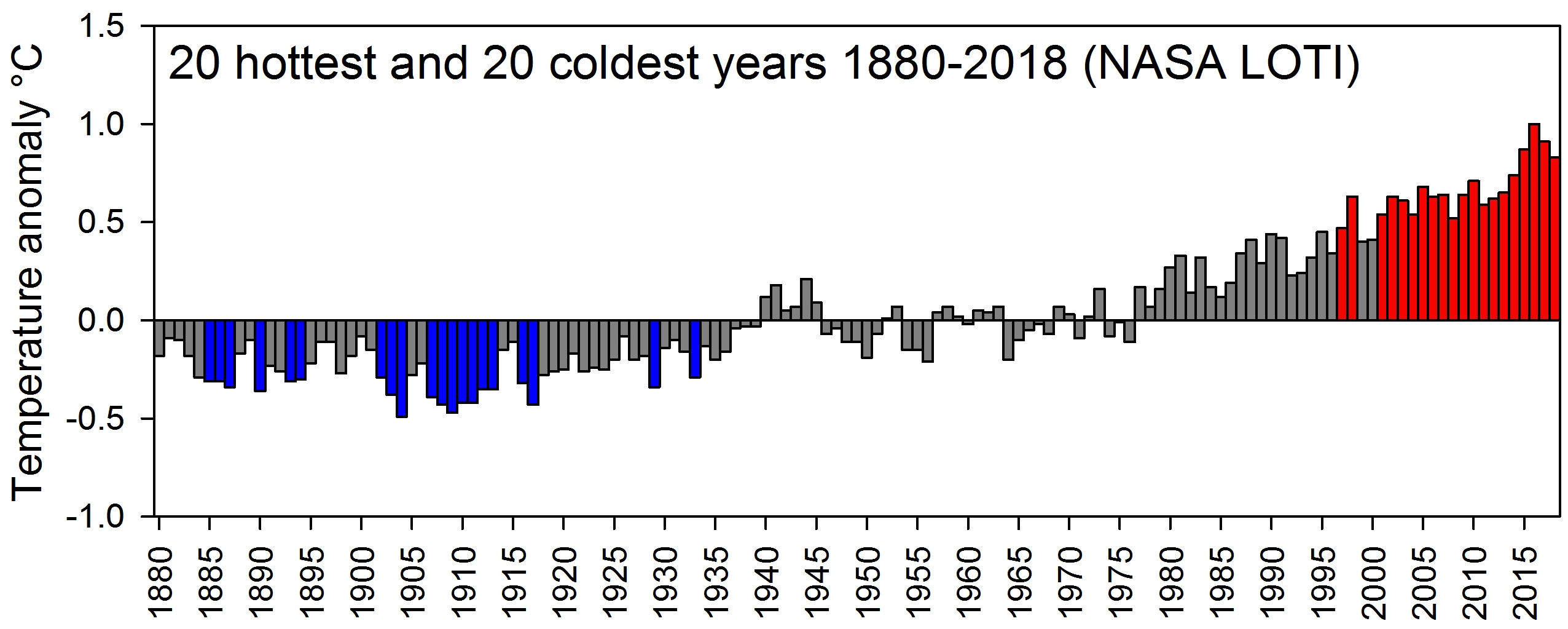
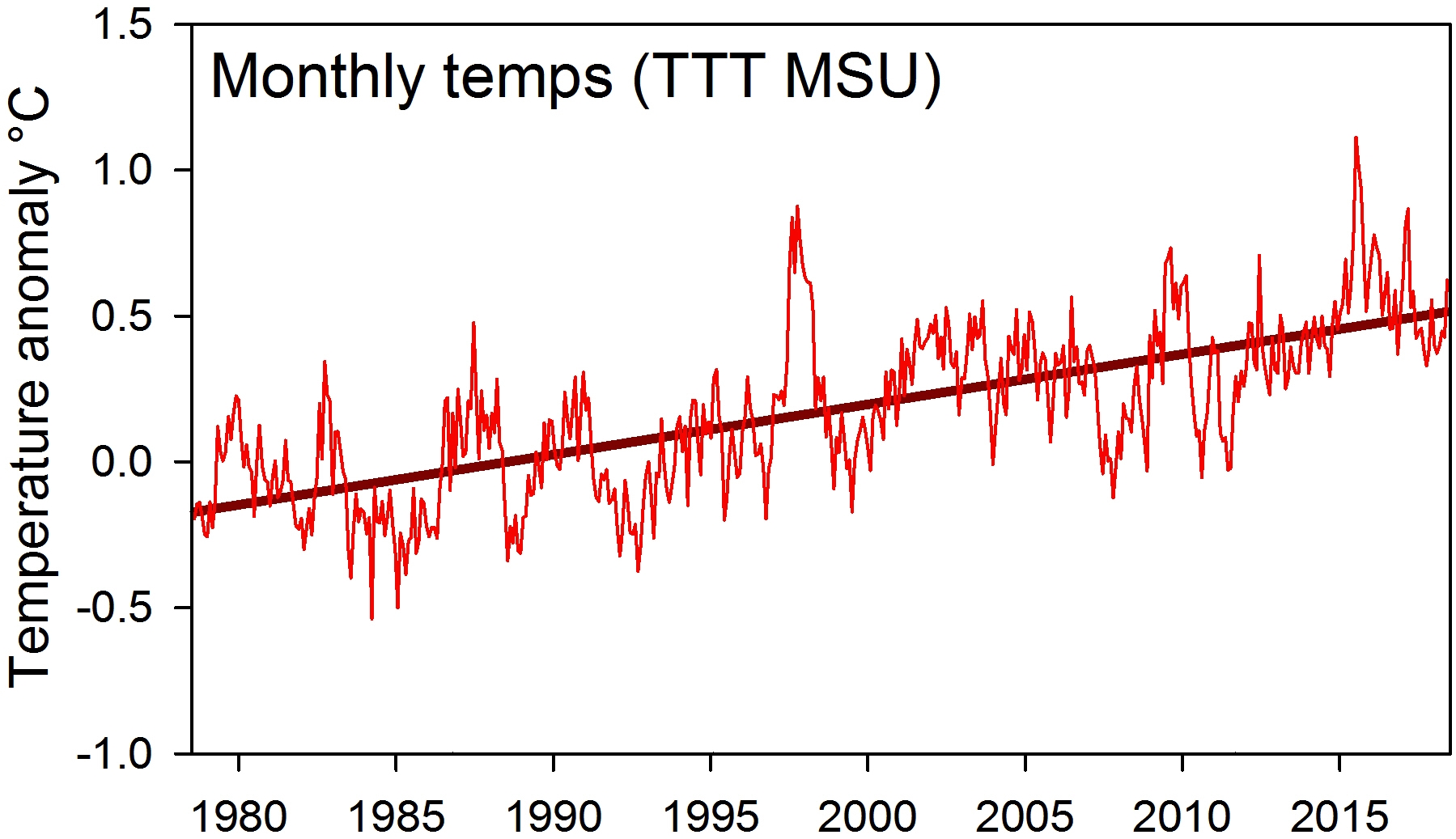
 This is exactly the same thing that flat earthers do, and its not how science works. The reality is that the evidence for climate change is overwhelming. There is an extremely strong consensus among studies, and studies to the contrary are virtually non-existent. Systematic reviews of the literature consistently find that we are causing the climate to change, but, just like flat earthers, climate change deniers don’t want to accept that evidence. Rather, they want to form a group of “experts” to cherry-pick evidence and try to prove a particular position. That is, by definition, pseudoscience. Science works precisely because it is objective and asks open questions rather than blindly trying to prove a particular position. If you start with the goal of trying to discredit climate change or vaccines or any other position, you will always see only what you want to see, now matter how wrong you are. You will always be able to convince yourself that the evidence is on your side. Getting a bunch of people who agree with you together and ordering them to discredit a position is simply not how science works.



 The Logic of Science