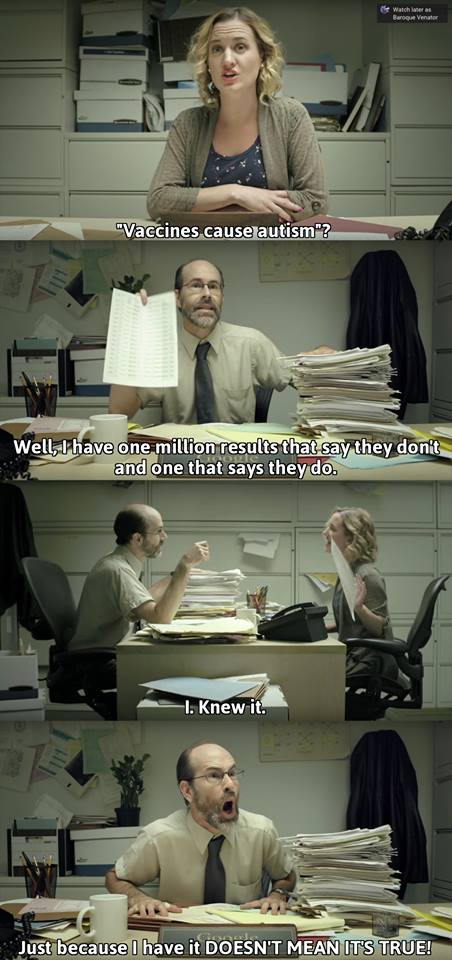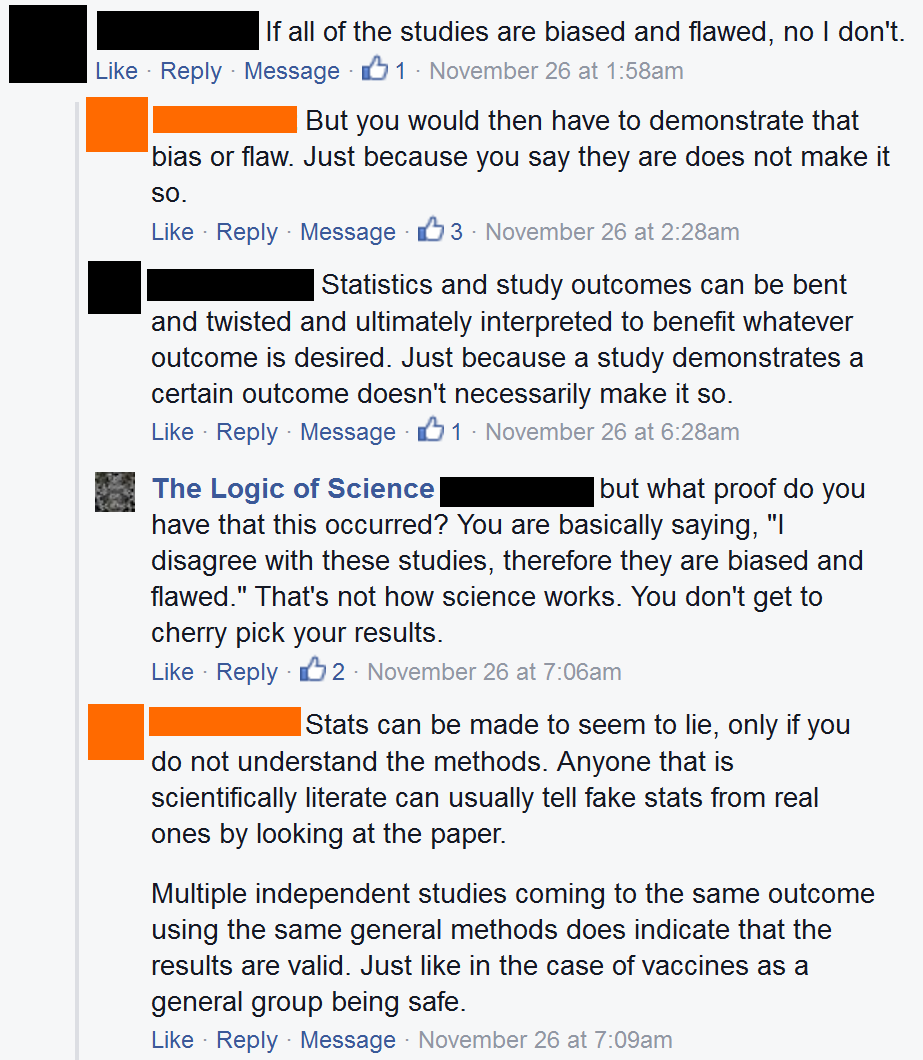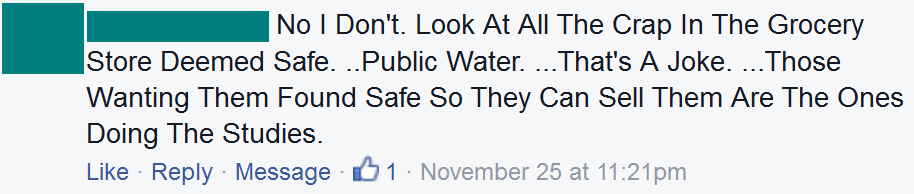
Stop accusing me of ad hominem fallacies you stupid idiots

Ad hominem fallacies are among the most common logical fallacies, but they are also among the most misunderstood. Indeed, I often see people falsely accusing their opponent of committing an ad hominem fallacy. Therefore, I am going to explain how this fallacy actually works and give you some basic tools to identify it. There are two fundamental points that you need to understand, and I will elaborate on them throughout this post. First, in order for an argument to be ad hominem, it has to actually attack its opponent. Second, not all ad hominem attacks are ad hominem fallacies.

Defining “ad hominem”

“Ad hominem” is Latin for “to the man” or “to the person,” and it simply occurs anytime that you attack your opponent. This is very, very important. In order for an argument to be ad hominem it has to verbally assault its opponent. So, attacks against a person’s intelligence, race, gender, appearance, morality, etc. all count as ad hominem, but attacks against a person’s argument are not ad hominem (even if they are written in a hostile style). This seems very simple, and indeed it is, but somehow, people continuously mess this up and take criticisms of their arguments personally. For example, in a recent debate with someone who opposed GMOs, I asked them to show me their sources, and they responded with a link to an opinion piece written for an online news outlet. When I explained to them that their link was not a valid source of scientific information and was irrelevant to the debate, they responded by accusing me of committing an ad hominem fallacy.

Indeed, this is a frequent occurrence. I try really hard to avoid ad hominem attacks on this blog, and you will rarely see me call someone an “idiot,” “moron,” etc.  Nevertheless, I constantly get accused of ad hominem fallacies, and I see this occurring on other pro-science pages as well. So I want to be explicitly clear about this: pointing out a problem in an opponent’s argument, asking for their sources, criticizing their sources, etc. does not count as ad hominem. You cannot accuse someone of an ad hominem fallacy just because they disagreed with you. Unless they actually attacked you or the authors of your sources, they did not make an ad hominem argument.

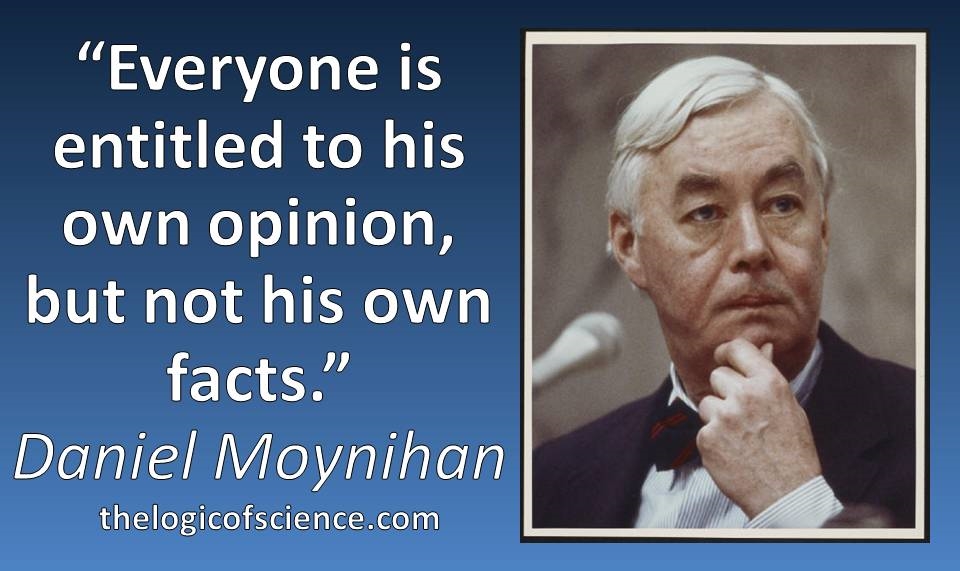
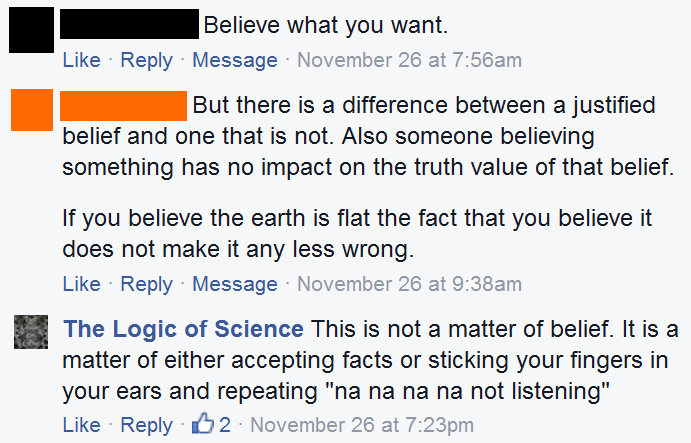
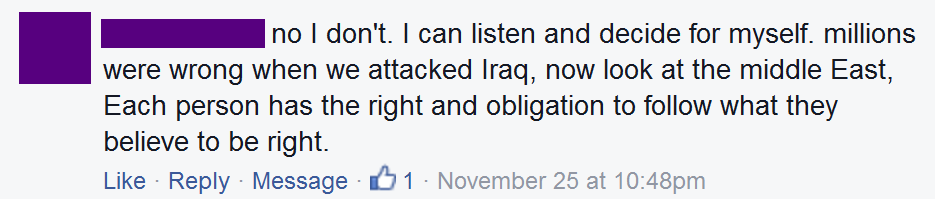
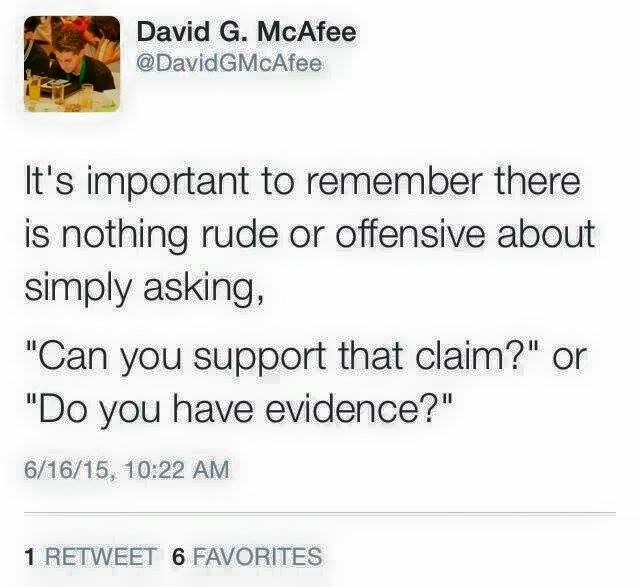
Daniel Moyniham quote everyone is entitled to his own opinion but not his own factsWhile we are going down this road, it’s worth mentioning that the same rules apply to “bullying,” “being rude,” etc. I cannot even begin to tell you how many times I have been accused of “bullying” just because I repeatedly asked someone for their sources and told them that I didn’t care about their opinions. Asking someone to back up their claims with facts and logic is neither rude nor offensive. So please stop being so thin-skinned. Further, you do not have the right to write/say anything without being subject to criticism or ridicule. Yes, you are entitled to an opinion, and yes, we should all be tolerant of other peoples beliefs, but when you are making a factual claim, you are neither expressing an opinion nor belief, and you should be held accountable for the accuracy of that claim. Imagine, for example, how ridiculous it would be if someone who didn’t accept gravity became upset when people ridiculed their absurd views. Even so, when you make factually incorrect statements about vaccines, evolution, climate change, etc. you aren’t expressing an opinion, you’re just wrong, and no one should be tolerant of your nonsense.

Not all ad hominem attacks are fallacies

Having now established what it means for something to be ad hominem, it is important to discuss what makes an ad hominem attack a fallacy. There are three basic uses of ad hominem assaults, only one of which is fallacious. The first is simply name calling for the sake of name calling, and the title to this post was intended to be a sarcastic example of this. It is ad hominem, and it’s certainly in bad taste (at least it would be if it wasn’t sarcasm), but it’s not actually a fallacy because it’s not being used as an argument. In other words, simply insulting someone isn’t enough to make something a fallacy. In order to be an ad hominem fallacy, you have to use an attack on a person as a means of attacking their argument. In the case of my sarcastic title, I got your attention by using hostile language, then proceeded to actually explain the logic of how these fallacies work; therefore, I did not commit an ad hominem fallacy (i.e., my insult was just an insult, not an argument).

The second use of ad hominem arguments is the really problematic one. It occurs when you are presented with an argument, and you respond by criticizing the person making the argument rather than the argument itself. For example, if someone is presented with an argument and simply responds with, “you’d have to be an utter moron to believe that,” then an ad hominen fallacy has been committed, because they simply attacked the people who accept the argument without ever addressing the argument itself. If, however, they said, “you’d have to be an utter moron to believe that because it commits the following logical fallacies (insert names of fallacies) and has been discredited by the following studies (insert citations)” then they would have not committed a fallacy. In other words, their comment is ad hominem, and it’s in bad taste,  but it’s not a fallacy because they did not use the insult as their argument. Rather, they made a logical argument and explained the problems with their opponent’s view, and then they slapped an insult on there for no good reason. To be fallacy, the insult has to actually be part of your argument.

Amusingly, anti-scientists are generally the ones who I see committing ad hominem fallacies, even though they are also generally the ones who I see falsely accusing others of committing them. For example, the classic “shill gambit” is nearly always an ad hominem fallacy. I get accused of being a shill for Big Pharma or Big Ag almost daily ,when in reality, I receive absolutely no money from them because I support science not big industry (entertainingly no one seems bothered by the fact that I strongly oppose “Big Oil”). Nevertheless, people constantly respond to my posts with comments like, “what a shill” or “how much did Big Pharma pay you to write this?” These responses are ad hominem fallacies, because the people making them generally don’t follow up with logical criticisms of my arguments. Rather, they simply accuse me of being a shill then march off to declare victory to their fellow anti-scientists. In other words, their entire argument can be rephrased as, “you are wrong because you are a shill.” However, unless they can actually provide evidence that I am being paid off (which they can’t, since I’m not), this “argument” is fallacious because it attacks me, not my arguments.

This brings me to my final point and the third usage of ad hominem. There are situations in which you can attack the person instead of their argument without it being a fallacy. For example, let’s imaging a court room scenario where a key witness has identified the murderer, and the defense responds by providing evidence that the witness is a pathological liar. The defense’s argument is ad hominem because the attack is against the person not the person’s argument, but the attack is not fallacious because there is a serious question about this witness’s credibility. If the witness is truly a pathological liar, then they should not be trusted, and their testimony should be viewed as irrelevant. To be clear, the defense has to actually provide compelling evidence that the witness is a pathological liar in order for this argument to be valid. If they cannot back up that claim, then this argument is both an ad hominen fallacy and an ad hoc fallacy (as is the shill gambit).

Similarly, arguing that people like Vani Harri (aka the “Food Babe”), Sherri Tenpenny, Mercola, etc. shouldn’t be trusted because of the truly ludicrous claims that they have made is ad hominem, but it’s not fallacious because it raises serious and completely valid doubts about their credibility. For example, Vani Hari once argued that water crystallizes when you repeatedly say the words “Satan” or “Hitler” around it, and she was concerned that airplanes don’t contain 100% oxygen (the air you breathe is mostly nitrogen, btw). By making these claims, she has demonstrated a terrifying level of scientific ignorance and illiteracy, and she has made it completely clear that she doesn’t know what she is talking about. So, when someone says that you should not trust her because she has frequently been exceedingly wrong, they are making an ad hominem assault, but not an ad hominem fallacy, because her credibility truly is in question. To be clear, however, you do have to be careful when making this type of argument. The fact that her arguments have repeatedly been comically erroneous means that she shouldn’t be trusted, but it does not automatically mean that she is wrong. In other words, if you say, “she is wrong about X because she has repeatedly been wrong in the past,” then you have constructed a logically invalid argument because it is always possible (however unlikely) that she will eventually be right about something. You can, however, say, “she should not be trusted about X and cannot be used as a source because she has repeatedly been wrong in the past,” and there is nothing fallacious about that.

ad hominem flow chart fallacyConclusion

In summary, an argument is only ad hominem when it actually attacks someone. Simply explaining the problems with an argument or asking someone to provide sources does not not count as ad hominem, even if the explanation is given in hostile language. Further, even when an argument is ad hominem, it is only a fallacy if it is attacking the person instead of the person’s argument and if it is not merely pointing out a legitimate, relevant concern about someone’s credibility, morality, etc. So, to test whether or not an argument is an ad hominem fallacy simply follow the guide to the right

Note: originally, this article did not contain the flowchart and instead asked the following three questions:

  1. Is the argument attacking someone?
  2. If #1 is “yes,” is the attack being used as the argument?
  3. If #2 is “yes,” does the attack raise a legitimate, relevant concern about the person’s credibility, morality, etc.?

However, that left out fallacies that are committed by using attacks as proofs, and I think that the actual diagram is easier to follow.

Other posts on logical fallacies

Posted in Rules of Logic | Tagged , | 8 Comments

The real Frankenfoods

franken foodAnti-GMO activists are excellent at stirring up emotions and creating fear.  They are better at frightening gullible people than just about any group that I can think of (though anti-vaccers give them a run for their money). Their posts are full of images of grotesque mutations, giant needles sticking out of vegetables, and bizarre genetically hybridized organisms. The real question, however, is whether or not those fears are justified (spoiler alert: they aren’t). You see, it’s fine to present a fact that also evokes an emotion, but when you are exaggerating or ignoring the truth in order to scare someone, then you are committing a logical fallacy known as an appeal to emotion, and that is exactly what anti-GMO activists are doing.

The term “Frankenfood” is perhaps the greatest embodiment of this fallacious line of emotional manipulation, and honestly, it’s brilliant propaganda. It is simultaneously evocative and memorable. It’s a buzz word that instantly conjures images of mad scientists and dangerous, unethical experiments. It also deliberately misrepresents GMOs. The reality is that GMOs are extremely precise, tightly regulated, and carefully manufactured. As I will demonstrate, there is nothing about them that is deserving of the title, “Frankenfood.” However, to understand GMOs, we first need some context. In other words, we need to understand how our traditional foods are made before we can really understand the significance of how GMOs are made. Therefore I am going to start by explaining how our traditional crops are manufactured, then I will briefly explain how GMOs are produced. All that I ask of you as you read through this, is that you set aside any biases that you might have and briefly ignore all of the anti-GMO fear-mongering.

Note: I am including organic under the umbrella of “traditional crops.”

This is what a wild banana looks like.

This is what a wild banana looks like. Clearly, we have in fact improved on nature.

Artificial selection
GMOs are often presented as being unantural and therefore dangerous; whereas traditional crops (especially organics) are presented as natural and good. Beyond the blatant appeal to nature fallacy, this dichotomy is demonstrably false. As I have previously argued, essentially none of our food is “natural,” and all of it has been genetically modified by thousands of years of careful breeding. You know that nice, delicious, essentially seedless banana that you get from your grocery store? It doesn’t exist in nature. Similarly, those large, juicy strawberries from your farmers market don’t grow in the wild. In fact, virtually none of our crops can be found in nature. So how did we get them?

We got our crops from artificial selection. At some point in history, someone started cultivating things like bananas, and each generation, they selected the plants with the biggest, most delicious fruit, and bred them. Thus, over thousands of generations we went from wild bananas to the far more edible fruit that we have in stores today.

There are several important points here. First, this is a type of genetic manipulation. Anytime that two individuals mate, novel combinations of genetic material are being formed. You see, for organisms like most plants and animals, each individual has two copies of each  gene (one from mom and one from dad). We refer to these copies as alleles, and within a population, there are usually many different alleles for a given trait (for an explanation of the difference between alleles and genes go here). Further, most traits are polygenic, meaning that they are influenced by multiple genes, each of which has multiple alleles. This provides extraordinary potential for genetic variation in the offspring. Indeed, any time that two individuals mate, 50% of the offspring’s genes will be from mom, and 50% will be from dad, resulting in novel combinations of genetic material.

Artificial selection is, however, a means of eliminating that variation. For example, when we cross two individuals who both produced large fruit, we expect them to pass on the alleles for large fruit, which should result in offspring with large fruit. Thus, we are deliberately modifying the genetic makeup of the next generation by determining which alleles it is going to get, and when we do this over thousands of generations, we end up with varieties which simply do not exist in nature. In other words, we create distinct and novel genomes.

Now, here is the really important part, this process is extremely messy and unpredictable. Remember each individual is a combination of 50% of the genetic material from two different individuals, and the results are often unexpected. We might be interested only in the alleles that make big fruit, but artificial selection doesn’t let us exchange only those alleles. Rather, alleles for all of the different genes get exchanged as well. So although we can predict that two individuals with large fruit will produce offspring with large fruit, we cannot predict what the consequences will be of making new combinations of alleles for all of the other thousands of genes. Anti-GMO activists are technically correct that anytime that we make a new combination of alleles we can produce novel and unexpected proteins, allergens, “toxins,” etc., but they ignore the fact that this is also possible from traditional breeding methods. In fact, it is far more likely from them because the entire genome is getting modified, rather than just the trait that we are interested in.

Domestic dogs provide a good illustration of this. We select them for traits like head shape, coat color, size, etc., but selecting for those traits often has unintended consequences for other traits. For example, bulldogs often have to be artificially inseminated in order to breed, pugs are prone to heart problems, German shepherds often have hip dysplasia, etc. All of these are a result of the unrefined and unpredictable nature of artificial selection. Selecting for one allele can inadvertently affect another trait or cause some harmful combination of alleles to rise to prominence. It is a very crude and imprecise process.

Hybrids
Just in case you were unimpressed with artificial selection, let’s talk about hybrids. All of the same concepts and problems apply, but with one important difference: in typical artificial selection you are combing 50% of the genetic material from two individuals of the same species.  They may be from different populations and different parts of the world, but they are still the same species. Hybrids, however, are crosses between two different species. Think about this for a minute. We are making entirely new organisms that contain half the genes from one species and half the genes from another species, yet no one refers to plumcots, tangelos, pluots, etc. as “Frankenfoods.”

Mutation breeding
The fact that anti-GMO activists don’t attack mutation breeding is one of the most astounding inconsistencies imaginable. What if I told you that many of the crops that you eat were created by exposing them to radiation or chemicals in order to induce mutations? Would you be surprised? I was. I knew that it occurred, but I didn’t realize its true extent. The reality is that thousands of different varieties of crops have been produced this way, and the production process is a scene straight from a comic book. We literally expose plants to Gamma radiation in order to induce mutations (that’s the same stuff that produced the Hulk), then we select and breed the ones with beneficial mutations. Mutations are, however, totally random. So a crop may have one beneficial mutation, but several harmful mutations. There is simply no way for us to know what we are going to get out of this process. We just induce mutations and hope for the best. To be clear, breeders try to cross the mutated strains such that only the beneficial mutations survive, but ensuring that nothing detrimental anywhere in the genome gets passed on is nearly impossible. It would be entirely possible, for example, for a mutated plant to be selected because it had a mutation for larger fruit while, unbeknownst to us, it also had a mutation that would cause a severe allergic reaction in many people. Nevertheless, no one seems to freak out about this, and even organic companies will often sell crops that were produced by mutation breeding.

GMOs
Before I explain how GMOs actually work, I want to briefly recap. Traditional breeding practices include: altering a breed’s entire genome by selecting for a particular trait (often with unintended consequences on the rest of the genome), creating entirely new organisms that are 50% one species and 50% another species, and using radiation and chemicals to induce completely random, uncontrolled, and unpredictable mutations. In contrast, GMOs are made by carefully and precisely modifying or inserting a handful of genes. Think about that for a minute. Let it really sink in. Anti-GMO activists freak out over “Frankenfoods” and the potential of unintended allergens and toxins from modifying or inserting one or two genes, yet traditional crops are made by modifying the entire genome! How can anyone possibly think that deliberately and precisely changing a very specific set of genes is dangerous, but randomly and unpredictably mutating the genome is just fine? Why should we call something a “Frankenfood” for having one or two genes from another species when hybrids are universally acceptable even though half of their genes came from a different species?

joker meme, GMO mutation breedingI want to be very clear here, I’m not saying that traditional breeding methods are dangerous. Rather, I am saying that all of the potential problems with GMOs are also potential problems with traditional crops, but GMOs involve fewer genetic changes, and the changes are very carefully controlled. Yes, there is always the potential of unintended consequences when you modify a genome, but the odds of an unintended effect are much lower when you deliberately and carefully change one very specific part than they are when you change massive sections with essentially no control over what alleles are being swapped or modified. Indeed, that is exactly what a study comparing GMO rice with mutation breeding rice found (i.e., there were more unintended effects in the mutation breeding rice; Batista et al. 2008). That result really should make intuitive sense. Genetic engineering is done very precisely to modify a specific gene in a specific way, but mutations modify random genes in completely random ways! It makes absolutely no sense to oppose GMOs but readily consume mutation crops, hybrids, etc.

Conclusion
Essentially all of our foods were created by manipulating an organism’s DNA, but genetic engineering is unique among our cultivation methods in that it is extremely precise and only changes small, carefully selected parts of the genome. Other breeding methods result in extremely large and unpredictable exchanges of DNA or even the random creation of entirely new and unpredictable genetic traits. Therefore, there is no reason to think that GMOs themselves are going to be more dangerous than traditional crops or that they will have more unintended consequences. So if you want to describe something as a “Frankenfood” you should be talking about mutation crops or hybrids, not GMOs.

Note: for more technical info on the similarities and differences between GMOs and traditional crops, as well as unintended consequences form the various methods, I recommend Cellini et al. 2004.

Note to commenters: this post is about GMOs themselves. In keeping with the Comment Rules, please stay on topic. Issues such as pesticide use, Monsanto’s business practices, and GMO labeling will be dealt with in future posts. If you want to discuss those topics, please wait for those posts.


Posted in GMO | Tagged , , , , | 4 Comments

Evolutionary mechanisms part 3: the benefits of mutations

tmntMutations have an almost universally negative connotation (except in the context of superheros). When people hear the word, they instantly think of disabilities, bizarre disfigurements, and grotesque scenes from science fictions. The reality is, however, quite a bit different. Although there are extremely harmful mutations, they are actually in the minority, and mutations can be a wonderful thing. You see, mutations are the one and only way of generating truly new genetic information. In contrast, selection and genetic drift (two of the dominant evolutionary mechanisms) actually remove variation, and gene flow (the final mechanism) can only shuffle existing alleles among populations. So, without mutations there would be no variation, which means that there would be nothing for selection to act on, which means that populations would be unable to adapt to changes in the environment and would ultimately go extinct. To put it simply, for most species, sustained life on planet earth would not be possible without mutations.

Given how vital mutations are, it is important to have at least a basic understanding of them. Therefore, in this post, I am briefly going to explain why most mutations aren’t harmful and go over some of the different ways that they can create new genetic information.


What is a mutation?
First, I need to specify what I mean by “mutation.” Mutations are simply any changes in an organism’s DNA. They generally occur when a cell is replicating, and they can involve deleting bases, adding bases, or rearranging bases (remember, all DNA is made from combinations of four bases: adenine (A), guanine (G), cytosine (C), and thymine (T)).

We can group mutations into two broad categories (somatic and germline), but only germline mutations act as an evolution mechanism. Somatic mutations occur in body cells and do not get passed onto offspring. For example, if you frequently use a cancer coffin (aka tanning bed) you will likely mutate the DNA in your skin cells, ultimately resulting in skin cancer. That type of mutation is not, however, an evolutionary mechanism because it doesn’t change the allele frequencies of the population.

In order for a mutation to act as an evolutionary mechanism, it has to involve germ cells (eggs or sperm). Mutations in those cells will get passed onto the offspring, thus altering the gene frequencies of the population. So, when we talk about mutations as an evolutionary mechanism, we are only talking about germline mutations, not somatic mutations.

Note: you could argue that somatic mutations still alter gene frequencies because they may kill an individual, thus removing the individual’s alleles and altering the allele frequencies (cancer is a good example of this), but in that case, the mutation itself isn’t the mechanism, rather natural selection is the mechanism. In other words, it’s selection that actually removes the individual and modifies the allele frequencies, not the mutation.


Neutral and harmful mutations still cause evolution
It’s important to note that evolution is not inherently beneficial. Selection is always beneficial (for the immediate generation), but evolution itself is simply a change in allele frequencies, and there is no reason why that change has to be a beneficial one (indeed, genetic drift is generally bad). Therefore, all germline mutations that make it into the population represent evolutionary events, regardless of whether they are harmful, neutral, or beneficial.


Many mutations are neutral
It is an extremely common misconception that most mutations are harmful. In reality, for many species, most of them are essentially neutral (i.e., they do not benefit or harm the organism, and, therefore, selection does not act on them). For example, Nachman and Crowell (2000) estimated that for humans, only 1.7% of the mutations that occurred each generation were harmful; however, the number and nature of neutral vs. beneficial. vs. harmful mutations varies greatly among species (see Eyre-Walker et al. 2007 for a review).

There are several important reasons that many mutations are neutral. First, it is important to remember that mutations are completely random. There is no force controlling what mutations occur, and what an organism actually needs has no effect on what mutations will arise.

Second, the majority of organisms have large non-functional sections of DNA. In other words, there are big chunks of DNA that do not actually do anything (or at least do very little). The amount of DNA that is nonfunctional varies among species and is often debated. For example, there is significant controversy about how much of the human genome is actually functional, with estimates ranging from 8.2% (Rands et al. 2014) all the way to 80% (ENCODE Project Consortium) depending largely on how “function” is defined (you can find a brief discussion of the controversy here); however, regardless of the exact amount, everyone agrees that some portions of the genetic code don’t seem to do anything, which also means that mutations in those regions tend not to do anything.

The third reason has to do with the nature of proteins. DNA codes for amino acids, and amino acids string together to form proteins. Both the amino acids and the proteins are, however, redundant. Amino acids are formed by three bases, but the third base is usually irrelevant. For example, GAA, GAG, GAT, and GAC all code for the amino acid leucine. So a mutation that changes the third base will have no effect on the final protein. Further, proteins themselves are generally redundant, and there are multiple combinations of amino acids that will make the same protein.

Fourth, even if the protein itself is modified, that may not actually affect the organism. Indeed, all of the variation that you see in organisms is caused by mutations, and most of them are neutral. Why, for example, do only some people have attached earlobes, cleft chins, dimples, widow’s peaks, blue eyes, etc.? Quite simply, because at some point in the history of human evolution, mutations arose and spread through a population via genetic drift, ultimately resulting in variation for those traits; however, none of those traits affect an individuals ability to survive or reproduce. Things like the ability to curl your tongue like a taco don’t affect your evolutionary fitness, and are, therefore, neutral mutations.  In reality, all of us are a massive collection of mutations.

Finally, remember that natural selection simply adapts populations for their current environment, so whether or not a mutation is beneficial will often depend on the environment and conditions that the organism is experiencing. For example, a mutation for bright red color may be very useful for a population in which females are selecting mates based on color, but that same mutation may be very harmful in a population in which individuals need to be camouflaged to avoid being eaten by predators.


Some mutations are beneficial
Some mutations are admittedly harmful, but selection eliminates or at least reduces them. Further, many mutations are beneficial, and selection can and does act on those, resulting in them increasing in frequency within the population.

Mutation accumulation experiments
There have been several excellent laboratory studies which have measured the formation and accumulation of beneficial mutations, and in many cases, the beneficial mutations arose more quickly than expected (Shaw et al. 2002, 2003; Joseph and Hall 2004; Perfeito et al. 2007; you can find a review and more detailed explication of these experiments in Halligan and Keightley 2009). In short, they put the study population under some experimental condition, then let the colonies do their thing for several generations. After the allotted number of generations, the researchers analyzed the colonies by comparing them to a control colony which was maintained in the ancestral condition. Thus, they could see the formation of new genetic information (i.e., mutations), and they could test whether or not the were beneficial by seeing if the mutated colonies grew and survived better than the originals. These studies very clearly demonstrate that beneficial mutations not only occur, but occur frequently enough to have adaptive significance. Therefore, if you honestly think that beneficial mutations don’t occur/are too rare for evolution, you are willfully ignorant of the facts.

Some creationists object to these studies by arguing that they were done in the lab, so we don’t actually know that beneficial mutations occur in nature, but this objection is completely invalid as it totally ignores the nature of mutations. The researchers generally don’t do anything to induce mutations. Rather, they simply put the organisms into a novel environment and let nature take it’s course. In other words, they aren’t constantly manipulation each generation. So, these studies are an excellent analog of nature, and there is absolutely no reason to think that they same processes don’t occur in nature. Remember, mutations are random. There is no mechanism that would cause beneficial mutations to spontaneously arise in a lab, but not in nature.

A mutation for HIV resistance in humans
In addition to the experimental studies, we also have evidence of the existence of beneficial mutations in humans. Perhaps most prominently, a deletion in the CKR5 gene results in resistance to HIV infections (Dean et al. 1996; Sullivan et al. 2001). This is very clearly a mutation (it is a deletion of several base pairs), yet it is also very clearly beneficial.

Bacteria evolve the ability to process citrate
There are many other examples of beneficial mutations that I could give (for example this really neat study describing a mutation that allowed blow flies to evolve pesticide resistance [Newcomb et al. 1997]), but I want to focus on just one final example. For all of the examples that I have given thus far, creationists typically respond with nonsense like, “those aren’t actually mutations, they are just part of the variation that God created when he made the earth.” This response is an ad hoc fallacy, it is logically inconsistent with the fact that creationists accept the results when identical methods show that some diseases are caused by mutations, and it doesn’t make any sense at all given that creationists believe that all modern animals evolved from the limited survivors of Noah’s flood (which would have had essentially no genetic variation). Nevertheless, let’s just say for sake of argument that creationists’ response was valid. This final example completely defeats that argument, because it is clearly and undeniably a beneficial mutation.

I am of course referring to the long term study of E. coli by Richard Lenski. He and his students did something amazingly clever. They started 12 bacterial colonies from an original clone, then watched them develop over thousands of generations. They didn’t interfere, they just let them do their thing, and eventually, something remarkable happened in one of the colonies. The bacteria were being grown on medium that included citrate, but E. coli is incapable of metabolizing (eating) citrate in the aerobic conditions under which they were being grown. Several thousand generations in, however, one colony suddenly became larger and began growing rapidly, and when the colony was examined, it was discovered that they had mutated the ability to consume citrate! Several lines of evidence demonstrate beyond the slightest shadow of a doubt that this was a mutation, not pre-existing variation. First, all 12 colonies were started from a single bacteria, so there was no variation. All of the bacteria were genetically identical at the start. In other words, if this trait was already present at the start of the experiment, it would have been in every bacteria in every colony from day 1, yet it only appeared in one colony, and it did not appear for thousands of generations. Further, the researchers saved and froze samples from each generation, so they were able to go back through them and pinpoint exactly when this mutation first arose (Blount et al. 2008).

You could not ask for a more clear or undeniable example of a beneficial mutation, but, unsurprisingly, creationists were not thrilled by this result. You can read the most famous exchange on this issue here. There is also a popular article on creation.com which takes issue with this result. I eventually plan on spending an entire post debunking their nonsense, but in short, they argue that this mutation still doesn’t explain the origins of new genetic material. However, as I will explain below, that response completely misses the point, and misrepresents how mutations actually work.


All mutations create new genetic information
Another very common misconception is that we don’t know of any mechanism for creating new genetic information. That claim is blatantly false, because mutations are, by definition, new genetic information. Some of them even work by very directly adding information. For example, some mutations are called “additions” and they are exactly what they sound like: they add extra bases to the DNA.

Other mutations don’t directly increase the amount of DNA, but they still add information. I think that this is where some of the confusion comes from: adding information does not necessarily mean making more DNA. Consider, for example, a mutation known as a substitution. This is where the wrong base gets used. So, for example, one section of DNA may have been supposed to be AGT, but instead a mutation happened and it ended up being CGT. Thus, the C was substituted for the A. In this case, we have not actually “added” genetic material, but we have still created new genetic material, because AGT and CGT will not produce the same amino acid.

Think of it this way. The DNA bases are like letters of an alphabet, and we string those letters together to form words (amino acids) and we combine words to form sentences (proteins). Now, consider the following sentence: “the dog ate the cats.” Imagine that a mistake (mutation) happened while copying that sentence so that the copy read, “the dog ate the bats.” All that happened was that one letter got substituted, but this sentence now tells us something totally different. It is new information, even though the number of letters hasn’t changed.

Further, some mutations (called deletions) actually remove DNA, but they still create new information. Let’s use the cat sentence again, but this time, suppose the that “s” got deleted, so the sentence became, “the dog at the cat.” This sentence is still different. Now we have one cat being eaten instead of several. It has a new meaning, even though it lost a letter. Even so, a mutation that removes a base will often result in an entirely new protein. Thus, new information is formed even though DNA is lost.

The mutation on the CKR5 gene that I mentioned earlier is a great example of this. The mutation actually deletes several bases, but that deletion results in a new code which ultimately results in resistance to HIV. So the loss of DNA actually creates new genetic information which results in a new and important function.


Conclusion

Despite the many myths about mutations (mostly perpetuated by creationists) mutations aren’t always harmful. Most of them are actually neutral, and beneficial ones do occur. Further, mutations are extremely important because they create new genetic information (even when they delete bases), and without mutations, there would be no variation, and evolution would grind to a halt. Ultimately, mutations are responsible for all of the variation that we see, and all of us are mutant freaks.

Other posts on evolutionary mechanisms:


Literature cited

Blount et al. 2008. Historical contingency and the evolution of a key innovation in an experimental population of Escherichia coli. Proceedings of the National Academy of Sciences 105:7899–7906.

Dean et al. 1996. Genetic restriction of HIV-1 infection and progression to AIDS by a deletion allele of the CKR5 structural gene. Science 273:1856–1862.

ENCODE Project Consortium. 2012. An integrated encyclopedia of DNA elements in the human genome. Nature 48957–74.

Eyre-Walker et al. 2007. The distribution of fitness effects of new mutations. Nature Reviews Genetics 8:610–618.

Halligan and Keightley. 2009. Spontaneous mutation accumulation studies in evolutionary genetics. Annual Review of Ecology, Evolution, and Systematics 40:151–172.

Joseph and Hall. 2004. Spontaneous mutations in diploid Saccharomyces cerevisiae more beneficial than expected. Genetics 168:1817–1825.

Nachman and Crowell. 2000. Estimate of the mutation rate per nucleotide in humans. Genetics 156:297–304.

Newcomb et al. 1997. A single amino acid substitution converts a carboxylesterase to an organophosphorus hydrolase and confers insecticide resistance on a blowfly. Proceedings of the National Academy of Sciences 94:7464–7468.

Perfeito et al. 2007. Adaptive mutations in bacteria: high rate and small effects. Science 317:813–815.

Rands et al. 2014. 8.2% of the human genome is constrained: variation in rates of turnover across functional element classes in the human lineage. PLoS Genetics 10:e1004525.

Shaw et al. 2002. A comprehensive model of mutations affecting fitness and inferences for Arabidopsis thaliana. Evolution 56:453–463.

Shaw et al. 2003. What fraction of mutations reduces fitness? A reply to Keightley and Lynch. Evolution 57:686–689.

Sullivan et al. 2001. The coreceptor mutation CCR5Δ32 influences the dynamics of HIV epidemics and is selected for by HIV. Proceedings of the National Academy of Sciences 98:10214–10219.


Posted in Science of Evolution, Uncategorized | Tagged , , , | Comments Off on Evolutionary mechanisms part 3: the benefits of mutations

The logical paradox of ghost hunting

paradox inception meme Arthur Joseph Gordon-LevitMany people believe in the paranormal, and a great deal of time and effort is spent searching for evidence of it. Indeed, shows like “Ghost Hunters” are extremely popular, and the notion of using scientific equipment to detect the supernatural is well ingrained into our literature, movies, and culture more generally. The reality is, however, the ghost hunting is a perfect case study in pseudoscience, and it is based on a series of logical fallacies and amusing paradoxes.

Most obviously, ghost hunting (along with related pseudoscientific ventures such as UFO spotting, searches for Big Foot and Nessy, Creation Research, etc.) suffers a serious flaw which automatically removes it from the realm of science. Namely, it starts with a conclusion (i.e., ghosts exist), then tries to prove that conclusion. In contrast, real science always starts with the evidence, then forms a conclusion based on that evidence. This distinction is extremely important, because  if you start with a conclusion, you will inevitably find a way to twist the evidence to fit your preconceived view, even if it results in ad hoc fallacies. For example, suppose that ghost hunters go into an abandoned building and detect electromagnetic energy (EM). They will view that as evidence of a supernatural presence, but to those of us who aren’t already convinced that ghosts exist, that energy could be a bad wire, a faulty transformer outside, the cameras, lights,and other equipment being used by the ghost hunters, etc. You see, the explanation that the energy is coming from a ghost is only convincing if you are already convinced that ghosts exist. This is why real science always has to start with the evidence, then form a conclusion. If you set out to prove something, you will always find a way to do it (at least in your mind).

Ghost hunting also suffers a serious paradox which is somewhat unique to it, and which I find highly entertaining. Ghosts are supposed to be paranormal, supernatural, metaphysical, etc. yet ghost hunters try to document their existence by looking for physical clues. This is problematic because, by definition, science is the study of the physical universe. It is inherently incapable of answering questions about the supernatural. So anytime that you are looking for the metaphysical, you are automatically doing pseudoscience, not science.

aliensTo put this another way, you cannot prove the existence of the metaphysical by documenting the physical. Let’s say, for example, that a ghost hunter goes into a room and documents an EM field, strange thermal readings, a garbled voice recording, etc. Further, let’s say that this was in an isolated area and somehow the “researcher” had accounted for all known sources of energy. Would he have just succeeded at proving the existence of the supernatural? NO! Because he document physical readings. All that he would have shown was that something happened that we don’t currently understand. You cannot jump from “we don’t understand X” to “X is caused by ghosts.” That’s a logical fallacy known as an argument from ignorance.

This is the hilarious paradox that entertains me to no end: if supernatural ghosts exist, then they are, by definition, untestable using science. Thus, using scientific equipment to look for ghosts is inherently self defeating!

We basically have three possibilities:

  1. Ghosts don’t exist
  2. Supernatural ghosts do exist, but cannot be tested using science
  3. “Ghosts” exist, but are a actually natural, physical phenomena, in which case they can be documented using science

There is no option 4 in which supernatural ghosts exist and can be documented using physical means. That’s just not possible. If ghosts are supernatural, then their existence cannot be demonstrated using science, and conversely, if their existence can be demonstrated using science, then they aren’t supernatural. If you document an unexplained physical clue, then all that you can say is, “we don’t understand this.” You cannot assume that the physical clue was caused by the metaphysical. Indeed, if you think through the history of science, there have been numerous physical phenomena that were attributed to the supernatural before we properly understood them.

Additionally, there is the paradoxical nature of ghosts hunter’s equipment. The equipment that they use to “detect” ghosts is generally designed by them and is based on question begging fallacies. For example, ghost hunters generally argue that ghosts put off an EM field which their equipment can detect, and we can set up their argument like this:

  1. Ghosts emit an EM field
  2. I can detect a ghost’s EM field using this device I built
  3. I went into an abandoned house and detected an EM field
  4. Therefore, a ghost was present

The problem is premises 1 and 2. I would not accept that ghosts put off a detectable EM field unless I was already convinced that ghosts exist. In other words, before you can use an EM field as evidence of a ghost, you have to demonstrate that ghosts put off EM fields, but you can’t demonstrate that ghosts put off EM fields, unless have already demonstrated that ghosts exist! Round and round in a circle we go.

In short, ghost hunting is inherently self defeating because it starts by assuming that ghosts exist and because no amount of physical evidence can ever demonstrate the existence of the metaphysical. To demonstrate the existence of the metaphysical, you would need metaphysical evidence, which science cannot supply for you. So if you want to believe in the supernatural, you are going to have to do exactly that: believe. You cannot, even in concept, support your belief with physical evidence.

ghost hunters

This is only tangentially related to my post, but it’s amusing and demonstrates another reason why ghost hunting is pure crap. I’m not sure who made it, so if it is yours please let me know.


Posted in Uncategorized | Tagged , , , | 13 Comments

Ancient knowledge and the test of time

The notion of “ancient knowledge” is a common theme among anti-vaccers and alternative health practitioners. It generally takes one of two basic forms. Either they claim that something is right/effective/safe because our ancestors thought so and they were somehow privy to some “ancient knowledge” that we don’t have access to today, or they argue that a treatment is safe/effective because it has been used for many generations and has stood the “test of time.” Conversely many of them argue that we shouldn’t use vaccines and modern pharmaceuticals because they have not passed this arbitrary test of time. These arguments are, however, appeal to antiquity fallacies. The fact that something is old or has been used for a long time does not in any way shape or form demonstrate that it is safe, effective, etc. So anytime that someone makes one of these arguments, they are committing a logical fallacy and according to the rules of logic, you must reject their argument. Nevertheless, let’s briefly look a bit closer.

These arguments are particularly absurd because the history of science is nothing if not a steady debunking of ancient ideas. Geocentrism, the idea that nature is made of four elements (earth, water, air, fire), alchemy, etc. were all ancient ideas that were later debunked and replaced by science. So the fact that something is ancient clearly does not validate it. To be clear, I’m not suggesting that the fact that many ancient ideas have been refuted means that all ancient ideas are wrong (that would be just as flawed as the logically invalid argument that we shouldn’t trust science because it has been wrong in the past). Rather, I am saying that you cannot assume that something is true/effective/safe just because it is ancient. You have to actually test it scientifically, and you have to accept the results of those tests.

The “test of time” argument is similarly flawed. There are thousands of ancient medical treatments that were used for countless generations before science came along and discredited them. Leeches are a good example. We used them for hundreds of years before we realized that draining a sick person’s blood was a bad idea (note: we do still use leeches medicinally today, but not for the same thing that they were used for historically). Similarly, tobacco was common in Native American medicine and was adopted by European explorers, yet today we know that it is extremely dangerous (Charlton 2004); note: it is a myth that there was once a scientific consensus that smoking was safe. The reality is that the tobacco companies had paid off a handful of scientists, but the scientific consensus was and is that it’s dangerous).

When you think about it, it is, of course, not surprising that many things would be used medicinally for countless generations without anyone realizing that they don’t work. Imagine that in some village, someone gets sick, eats an herb, then gets better just by his/her body healing itself. It will appear that the herb worked because the person took the herb, then got better (this is known as a post hoc ergo propter hoc fallacy). As a result, every time that someone in that village gets that ailment, they will take that herb. Sometimes, it simply won’t work and the person will get worse, but other times, the placebo effect will kick in and the person will get better. Additionally, in many cases, the sick person’s body will simply heal itself, thus giving the appearance that the herb works. Every one of these “success stories” will serve to affirm the villagers’ belief that the herb works, and it will get used from one generation to the next.

The only way to actually tell whether or not the herb works, however, is to test it scientifically with proper controls. In order to know if it actually has healing properties, you have control for confounding factors, and you need to know the background recovery rate (i.e., how many people heal because of the placebo effect, their own body’s healing abilities, etc.). Then, and only then, can you say whether or not the herb works. That is really my fundamental point in all of this. The fact that something is ancient or has been used for many generations does not automatically mean that it works, and making that assumption is logically invalid. Carefully controlled studies are the only way to tell for sure.


Posted in Nature of Science | Tagged , , , , | Comments Off on Ancient knowledge and the test of time